

Going to Rehab While Employed: Leave & Job Protections

FMLA may cover time away for treatment provided by a healthcare professional, but an absence caused by using the substance itself is treated differently. That distinction often determines whether leave is protected.
PHP vs. IOP in New Jersey: Which Is Right for You?

Both programs let participants live at home, and the practical difference is how much of the week treatment takes up. PHP involves more hours across more days, while IOP is built to fit around work, school, or caregiving.
What is a Drug and Alcohol Assessment?

Most assessments take about 60 to 90 minutes and are completed by licensed clinicians such as counselors, social workers, or nurses. The conversation covers current use, health history, and everyday responsibilities.
Understanding Longer-Term Addiction Treatment

A 90-day rehab program spans about three months of continuous treatment, often starting with detox or residential care and stepping down as stability improves. The longer timeline lets progress build over months rather than weeks.
When is a 90 Day Rehab Program Recommended?

Repeated relapse, a co-occurring mental health condition, or an unstable home environment can each change what length of stay makes sense. This article looks at the situations where a 90 day residential program may be worth considering.
How Addiction Affects the Brain: Key Changes Explained
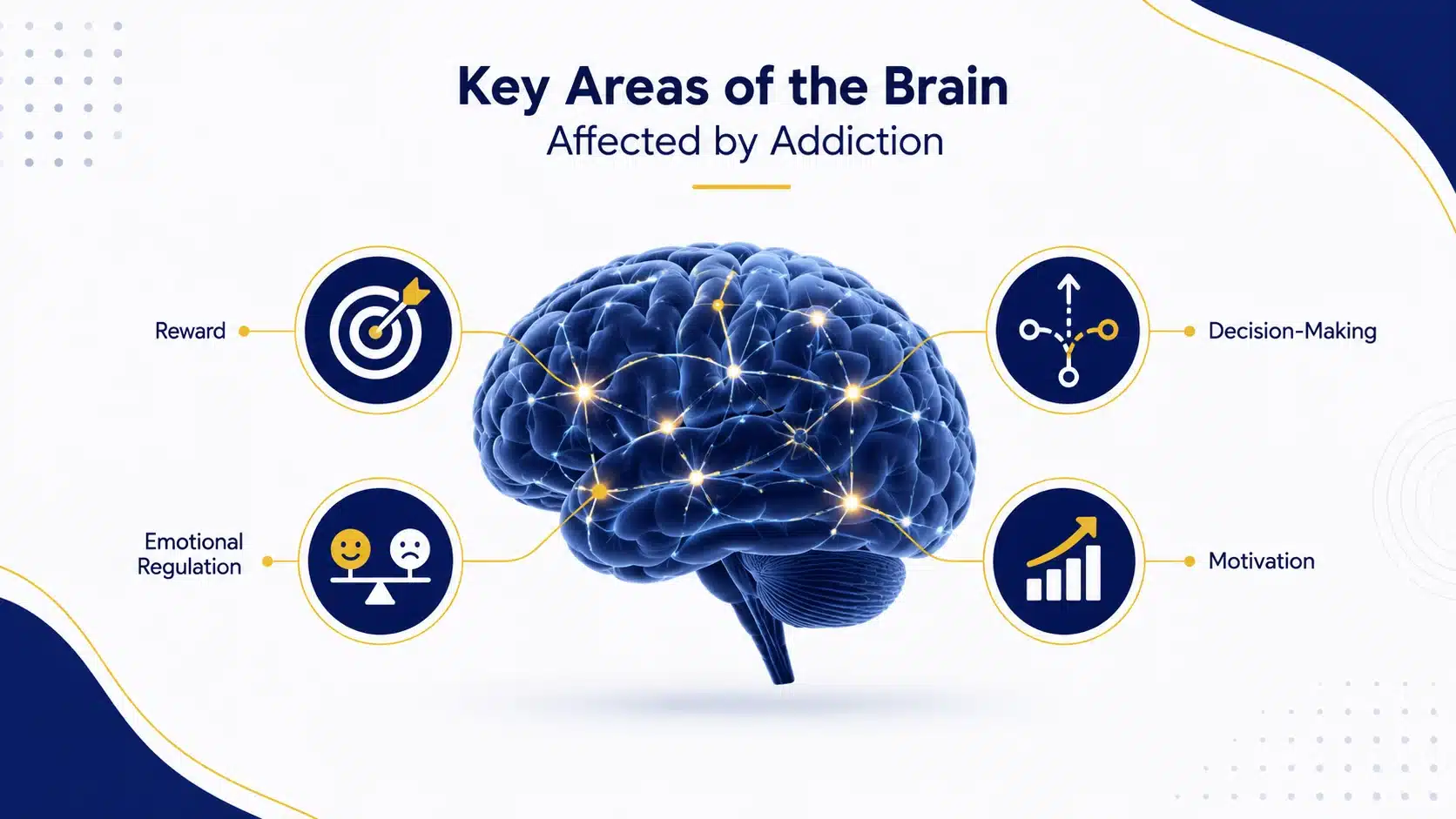
Explore the science of how substance use changes the brain’s reward, craving, and decision-making systems, and how neuroplasticity supports recovery.
The Warning Signs of a Substance Use Disorder

One warning sign on its own may not mean much. Several appearing together is often what signals a problem. This overview details the specific behavioral, physical, and emotional changes to watch for.
Who is a Good Fit for An Intensive Outpatient Program in New Jersey?

Wondering whether an intensive outpatient program is the right level of care for you or a loved one? This guide explains who an IOP is best suited for, the situations that call for more intensive treatment, and the clinical assessment that determines the right fit.
How Dual Diagnosis Treatment Supports Recovery in NJ

When mental health and substance use conditions occur together, the path to lasting recovery often requires care that addresses both at once rather than in sequence. This article covers what dual diagnosis means and how treatment works.
Addiction Treatment Options in New Jersey: A Complete Guide

Not every addiction treatment program offers the same level of care. This guide explains how detox, inpatient rehab, outpatient treatment, IOP, and dual diagnosis care differ so individuals and families can better understand which path may fit their needs.