

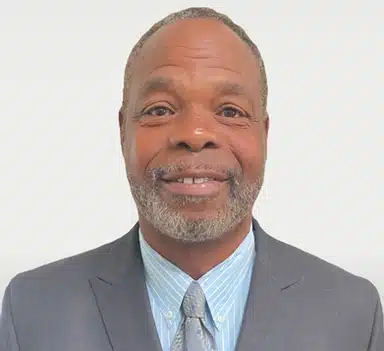
Expert Contributor
Dr. Williams has served in Senior Leadership positions in the Behavioral Health field for over thirty years. He has worked with diverse populations in various private and public sectors. He has published research on the relationship between anger and addiction, as well as the role of culture in treatment and addictions.
Beginning his career in the mid-1980s, Dr. Williams worked in a Therapeutic Community (TC) and trained counselors across the country in the Therapeutic Community certification process. Dr. Williams has also served on the New Jersey and Connecticut addictions professional’s boards.
Dr. Williams serves on the board of Directors for two non-profit service organizations. He holds a Master’s degree in Human Services from Lincoln University, Philadelphia, PA, and a Ph.D. with a concentration in Clinical Psychology from Union Institute and University. In Cincinnati, Ohio. He is licensed to practice addiction counseling in New Jersey and Connecticut and has a pending application as a practicing Psychologist in New Jersey.
As a professor at various New Jersey and Connecticut colleges, Dr. Williams has taught addictions courses in certificate and degree programs. He has delivered extensive training, conference presentations, and lectures on Evidence-Based theories and practices. He has mentored, supervised, and coached hundreds of new counselors supporting and shaping their development as professionals in the treatment field.
At Rolling Hills Recovery Center, We hold ourselves to the highest standard of addiction medicine. We promise to provide the latest, most up-to-date information in addiction science. Each article we provide to the public is medically reviewed for accuracy and validity.
All information provided on Rollinghillsrecoverycenter.com is only for educational purposes and should not be taken as medical advice. If you are experiencing a medical emergency, dial 9-1-1. The information on the website is not meant to be a diagnosis. If you are experiencing mental health issues, please contact your healthcare provider.
Learn about the length of drug and alcohol rehab programs, including outpatient options, and understand why longer treatments can be more effective.
Learn about alcohol withdrawal symptoms, their signs, and causes, and discover recovery support options at Rolling Hills Recovery Center.
Dual diagnosis involves co-occurring mental health and substance abuse issues. Explore its prevalence, integrated treatments, and recovery approaches.
Deciding to travel or stay local for rehab is personal. Consider the benefits of a new environment vs. challenges like distance from support and added costs.
Recognize eight signs it’s time for rehab: life struggles, mental health decline, increased use, failed quitting, poor health, strained relationships, and trouble functioning.