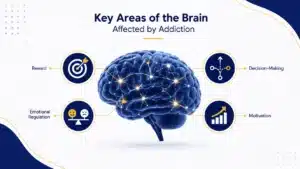
How Addiction Affects the Brain: Key Changes Explained
Explore the science of how substance use changes the brain’s reward, craving, and decision-making systems, and how neuroplasticity supports recovery.


Explore the science of how substance use changes the brain’s reward, craving, and decision-making systems, and how neuroplasticity supports recovery.

One warning sign on its own may not mean much. Several appearing together is often what signals a problem. This overview details the specific behavioral, physical, and emotional changes to watch for.

Alcohol withdrawal can become life-threatening when symptoms progress to seizures, hallucinations, or delirium tremens. Learn the warning signs, risk factors, and when emergency medical care is necessary.

It can be difficult to recognize when someone close is struggling with more than one type of substance. Behavioral changes
Vyvanse vs Adderall compares two leading ADHD stimulants, how long they last, how they work, side effects, misuse risks, and which may be safer for adults, teens, and people in recovery.

What is Tranq? Tranq is the street name for xylazine, a non-opioid veterinary sedative increasingly found mixed with fentanyl. It causes deep sedation, severe skin wounds, and raises overdose risk because naloxone does not reverse its effects.

Opioid overdoses happen fast and minutes matter. Learn how to recognize the warning signs, use naloxone correctly, and access overdose treatment and recovery care in New Jersey.

Fentanyl-laced pills and powders drive sudden overdoses. Learn real-world safety steps (test strips, naloxone), warning signs, and how treatment works, from detox to outpatient and aftercare.

Knowing how alcohol problems progress, from risky use to dependence, helps you act sooner and safer. This article explains clinical stages, key warning signs, when detox is medically necessary, and the evidence-based treatments (CBT, CM, and FDA-approved meds).

This article covers the early and long-term signs of meth addiction, what’s an emergency, and how to take safe next steps, from calm conversations and crash care to evidence-based treatment (Contingency Management, CBT, MI) and overdose safety.