

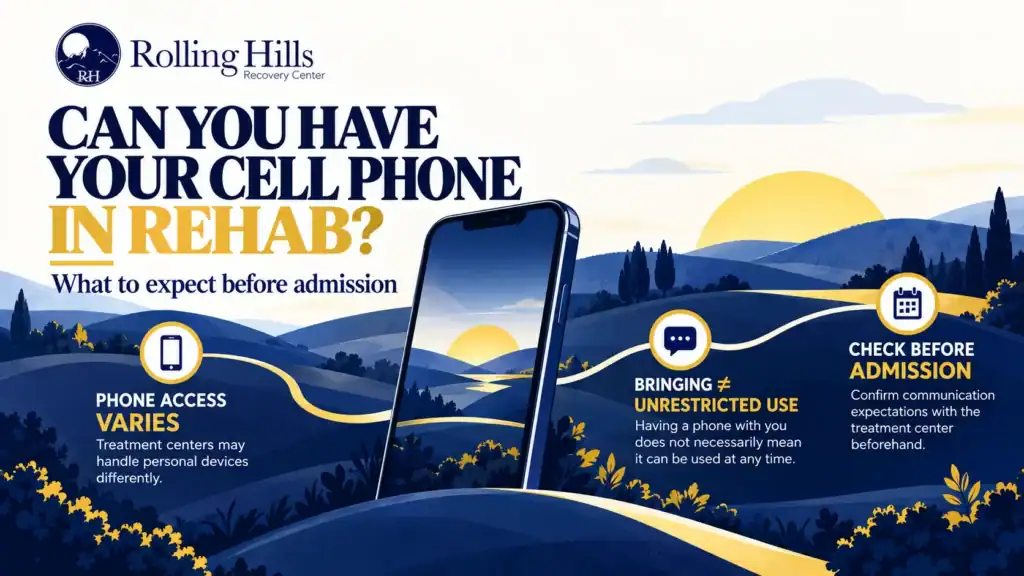
Cell phone access during rehab is not handled the same way at every treatment center. Some facilities allow personal devices, while others place limits on their availability. For people searching for rehabs that allow cell phones, bringing a phone does not necessarily mean it can be used whenever desired.
Practices may also reflect the type of care provided and how a center operates. Understanding what applies before admission can prevent confusion and help people prepare for communication with family, work, or other important contacts while receiving care.
Why Do Rehab Centers Set Rules for Personal Devices?
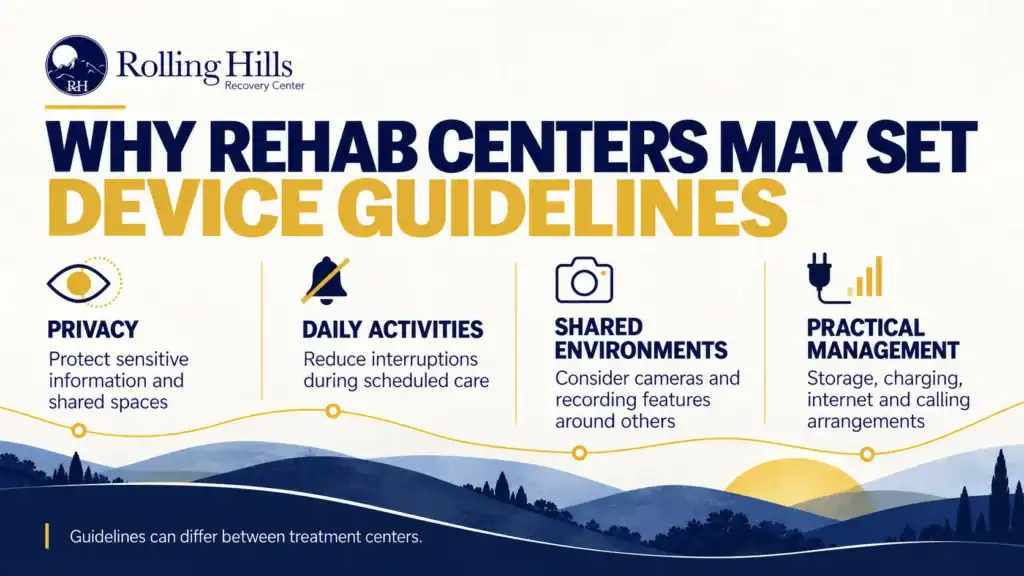
Rehab centers may set guidelines for personal devices to protect privacy, limit interruptions, and keep daily activities running smoothly. Phones with cameras or recording features can also raise concerns when other participants are present, particularly in shared spaces. Confidentiality protections for substance use disorder records further reflect the importance of safeguarding sensitive information connected with addiction care.
Expectations may apply during counseling, meetings, meals, or other parts of the daily schedule. Clear guidelines can help staff maintain an environment that respects everyone receiving services.
Operational factors can influence how electronics are handled as well, including secure storage, charging, internet availability, and designated calling areas. Such measures do not mean phones are inherently harmful. Each center can approach device use differently based on its environment and responsibilities.
How Does Phone Access Differ Across Rehab Settings?
The role of a cell phone can change considerably depending on whether someone stays on-site or leaves after receiving care. This distinction helps explain how access can work across different forms of addiction treatment without assuming every provider follows the same approach.
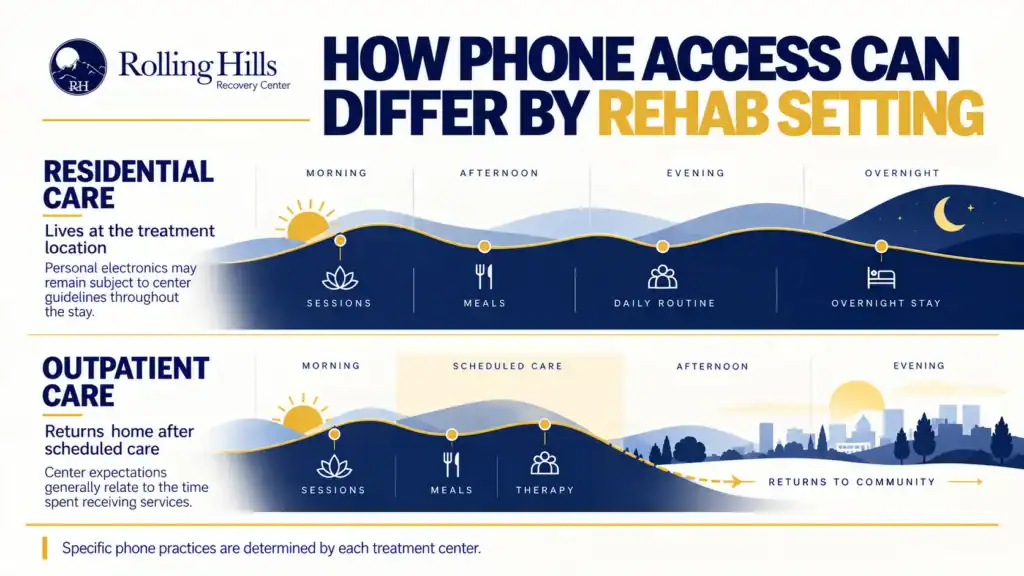
Residential Care
In residential care, participants live at the treatment location. Daily routines, therapeutic activities, meals, and other parts of the stay occur within that environment. As a result, use of personal electronics may remain subject to the center’s guidelines beyond individual sessions. The specific expectations are determined by each provider.
Outpatient Care
With outpatient treatment options, participants typically go home after scheduled appointments rather than staying overnight. Any expectations surrounding phones therefore apply within a more limited period of the day. Outside those appointments, individuals are back in their usual community environment, creating a clear distinction from the experience of living at a treatment center.
What Should You Ask About Phones Before Admission?
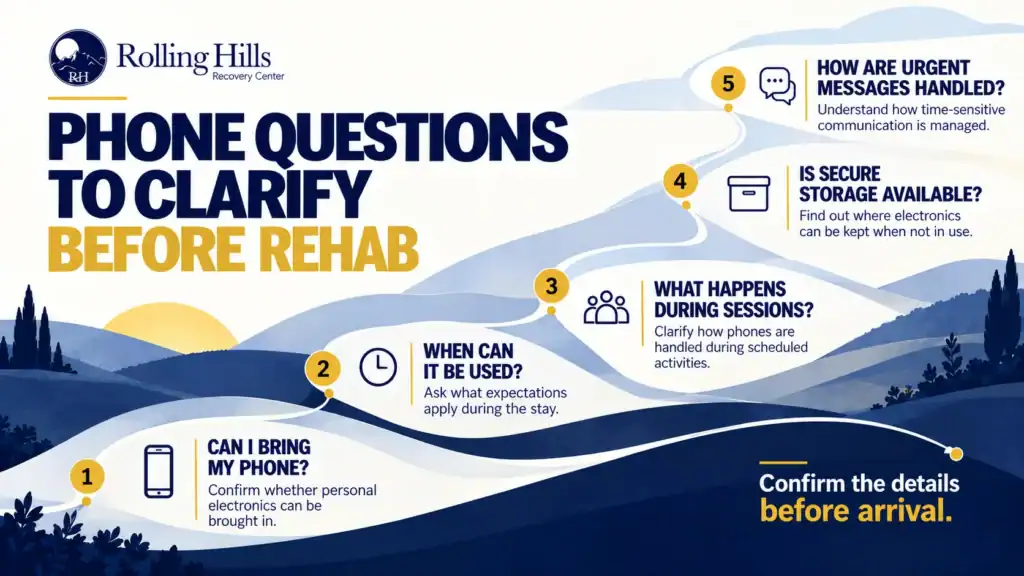
Before entering rehab, it can be useful to clarify how electronics are handled during a stay. Relevant questions include whether a phone can be brought onto the premises, when it may be used, and whether secure storage is available. It is also worth finding out what happens to devices during counseling, group sessions, or other scheduled activities.
Urgent communication is another practical consideration. Knowing how time-sensitive calls or messages are managed can reduce uncertainty when direct phone use is limited during certain parts of the day.
Confirming Practical Details in Advance
Details about electronics are useful to clarify during the admissions process, since practices at one treatment center should not be used to predict those at another. Getting this information ahead of arrival provides a clearer picture of what to expect and leaves time to make any necessary arrangements for the period spent in care.
How Can People Stay Connected During Rehab?
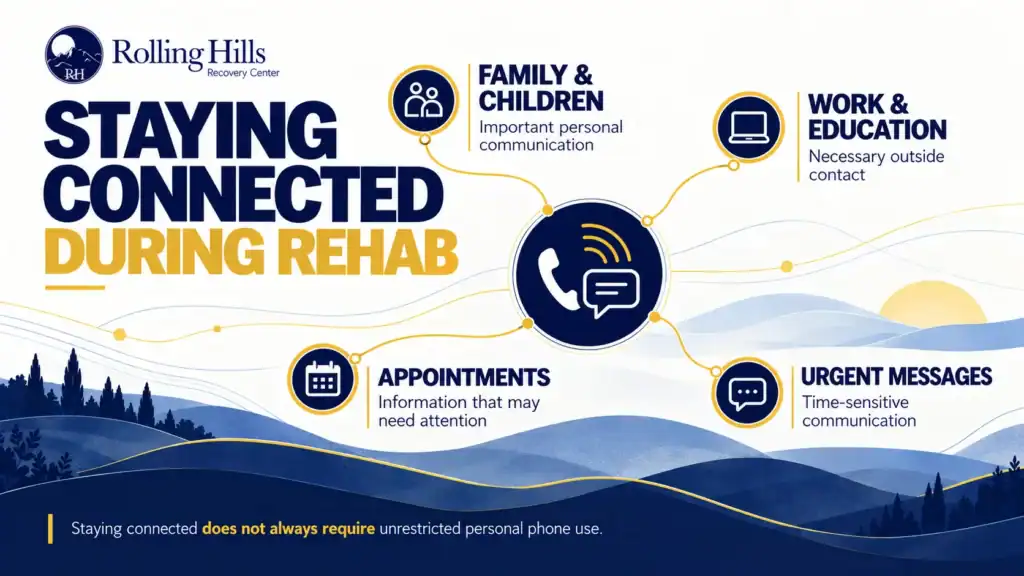
Staying connected can be important during rehab, particularly when essential matters outside treatment still require attention. This may include communication concerning children, education, work, appointments, or other responsibilities that cannot simply be put on hold.
Maintaining those connections does not necessarily require unrestricted use of a personal phone. Treatment centers may provide ways to make or receive necessary calls and relay time-sensitive messages. Knowing what options are available can help individuals prepare for periods when their usual means of reaching others may be unavailable.
Loved ones may also have questions or need guidance while a person is receiving care. The American Psychiatric Association provides information for families affected by substance use disorders, recognizing that addiction can have implications beyond the individual receiving treatment.
Should Phone Access Influence the Choice of Rehab?
Phone availability may matter when evaluating rehab, but it should not necessarily determine the decision. Factors such as the services offered, daily schedule, degree of structure, and overall format can provide a broader picture of what a particular option involves. Communication preferences can be weighed as part of that picture rather than becoming the primary criterion for choosing where to receive care.
Considering Structure Alongside Daily Responsibilities
Some people may be exploring treatment that does not require an overnight stay. Options such as intensive outpatient treatment provide one example of a more structured approach delivered while a person continues living in the community. When comparing available formats, practical obligations and communication requirements can be considered together with the time commitment and structure involved.
Frequently Asked Questions
Can You Bring Your Phone to Rehab?
Possibly. Whether a phone can be brought into rehab depends on the individual center and the circumstances of the stay. Permission to bring a personal device does not necessarily mean unrestricted use. Expectations concerning when and where it can be used may still apply.
Do Rehab Centers Take Your Phone Away?
Some rehab centers may limit when personal phones are available, while others may take a different approach. There is no single practice that applies everywhere. Anyone concerned about being separated from a phone should clarify how personal electronics are handled before arriving for care.
Can Family Contact Someone Who is in Rehab?
Family members may be able to maintain contact with someone during rehab, although the available methods depend on the center. Communication arrangements may account for incoming messages or important calls without requiring continuous phone availability. Specific procedures are best confirmed in advance.
Are Phone Rules Different in Outpatient Rehab?
Yes, the practical situation is often different because participants leave after scheduled services rather than living at the treatment location. Expectations concerning phone use may apply while a person is attending appointments, but they do not govern how someone uses a personal phone after leaving for the day.