
Addiction recovery is a personal journey, and the type and length of treatment needed can vary based on a person’s unique circumstances. Factors such as the severity of substance use, previous treatment experiences, mental health needs, and available support systems can all influence the most appropriate level of care.
A 90-day rehab program provides an extended period of structured care, giving people more time to participate in therapy, develop healthy coping skills, and strengthen relapse prevention strategies. While treatment should always be tailored to each person’s needs, a longer program can provide additional time to address the underlying factors contributing to addiction and build a stronger foundation for lasting recovery.
What is a 90 Day Rehab Program?
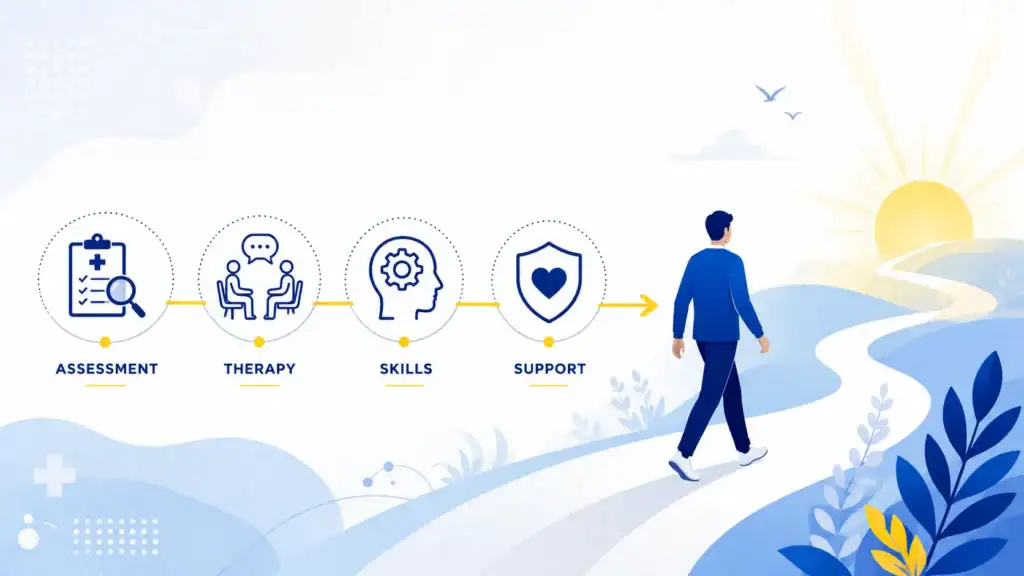
A 90-day rehab program is a longer-term approach to addiction treatment that provides consistent care, structure, and support throughout different stages of recovery. Unlike shorter treatment options that may focus primarily on immediate stabilization, extended programs allow more time to address the physical, emotional, and behavioral aspects of substance use.
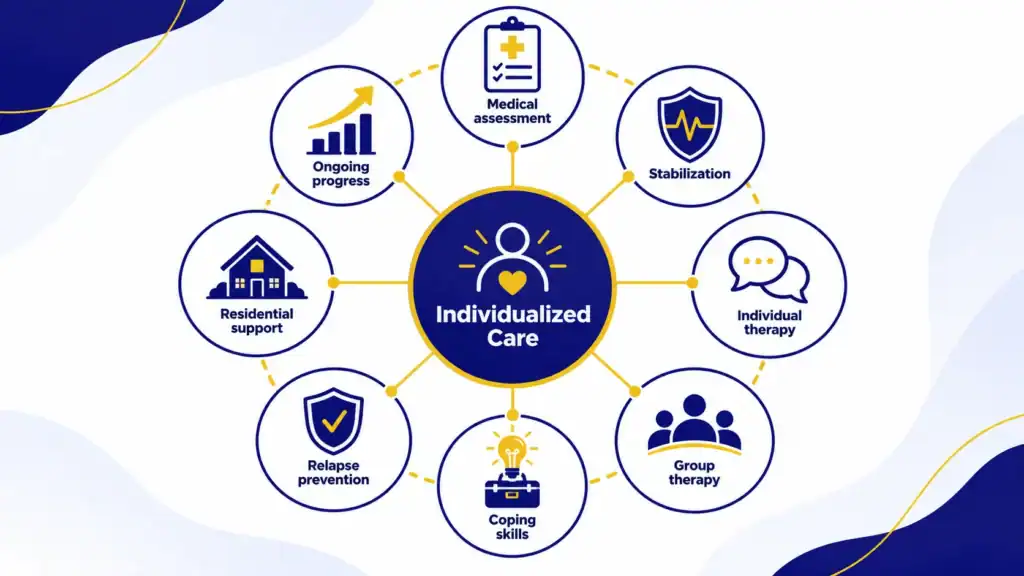
Treatment often begins with stabilization, which may include medical support, assessments, and adjusting to a structured recovery environment. As progress is made, the focus shifts toward therapy, identifying triggers, developing healthier coping strategies, and addressing underlying factors that contribute to substance use.
Because every person’s recovery needs are different, treatment recommendations are based on factors such as substance use history, previous treatment experiences, mental health concerns, and personal circumstances.
Many longer-term programs involve residential treatment or inpatient care, where people receive focused support away from everyday triggers and distractions. Through personalized treatment planning, care teams tailor care to each person’s goals and challenges. Understanding the structure of a longer-term treatment program can help individuals and families better understand what extended treatment may involve.
What Happens During Treatment?
Therapy and Behavioral Health Support
As treatment progresses, therapy becomes a central part of the recovery process. Individual therapy provides a private setting to explore personal experiences, identify unhealthy thought patterns, and work toward meaningful behavioral change, while group therapy offers opportunities to build communication skills and gain support from peers.
According to the American Psychological Association’s overview of psychotherapy, psychotherapy helps individuals identify patterns of thinking, emotions, and behaviors that may be affecting their well-being. In addiction treatment, these evidence-based approaches can help individuals better understand the underlying factors contributing to substance use while developing healthier responses to stress, cravings, and difficult emotions.
For individuals with co-occurring mental health conditions, therapy can also address concerns such as anxiety, depression, or trauma as part of an integrated treatment plan.
How Treatment Plans Evolve Throughout Recovery
Treatment is not a one-size-fits-all process, and recovery goals often change as individuals make progress. Throughout a longer-term rehabilitation program, treatment teams regularly evaluate each person’s response to therapy, overall well-being, and recovery needs to ensure the treatment plan reflects their progress and addresses any new challenges.
As individuals move beyond stabilization, the focus of care may shift toward strengthening coping skills, improving emotional regulation, rebuilding relationships, and preparing for life after residential treatment. Depending on a person’s needs, treatment may also include additional support for co-occurring mental health conditions, greater family involvement, or more advanced relapse prevention strategies.
Planning for continued care before discharge is an important part of recovery. For individuals receiving integrated care for both substance use and mental health conditions, learning what happens after dual diagnosis treatment can provide valuable insight into how continued support helps maintain progress and promotes lasting recovery.
The Stages of Recovery During Longer-Term Treatment
Early Stage: Stabilization and Adjustment
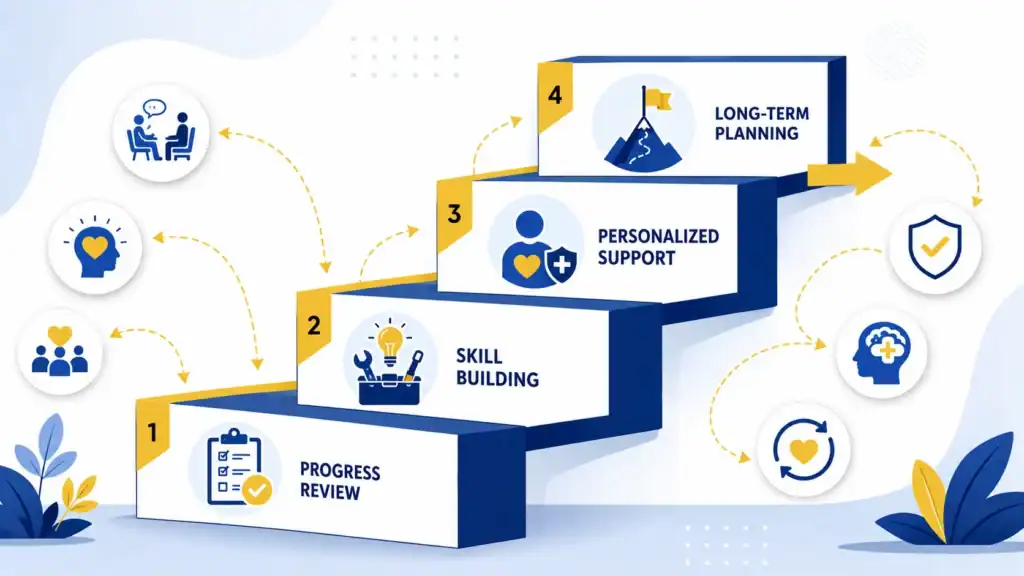
The early stage of longer-term treatment focuses on helping individuals establish stability and adjust to a consistent daily routine. During this time, they become familiar with the treatment environment, complete any remaining assessments, begin participating in therapeutic activities, and develop a better understanding of addiction as a chronic condition while identifying personal recovery goals.
Middle Stage: Building Recovery Skills
As treatment continues, the focus shifts toward strengthening the practical and emotional skills needed for lasting recovery. Through individual counseling, group sessions, and educational programming, individuals learn healthier ways to manage stress, regulate emotions, improve communication, navigate challenging situations without relying on substances, and build greater self-awareness and resilience.
Later Stage: Preparing for Life After Treatment
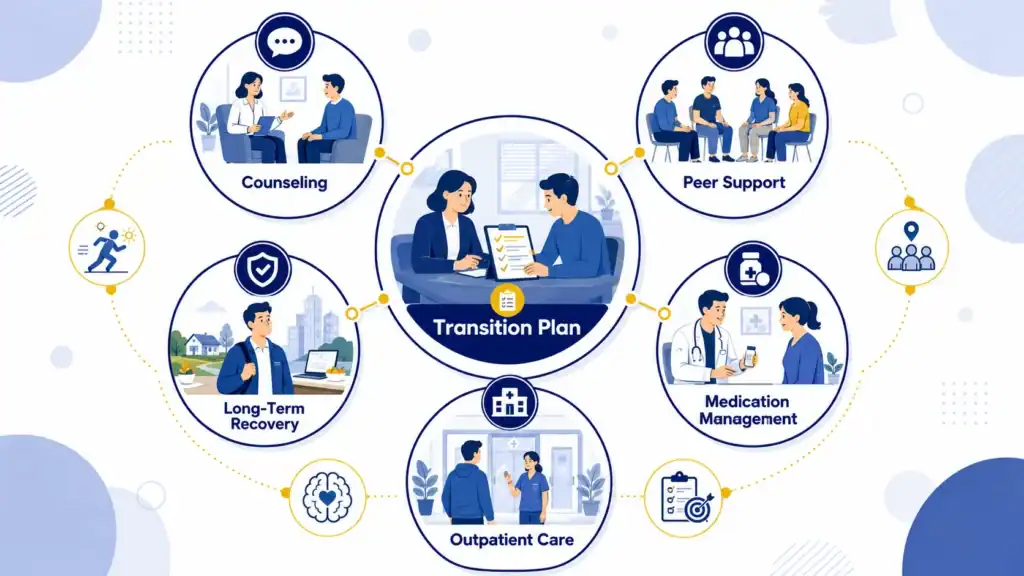
The final stage focuses on preparing for a successful transition back to everyday life. Before completing treatment, individuals work with their care team to develop an aftercare plan based on their ongoing needs and recovery goals. Depending on the recommended level of support, this may include continued counseling, peer support groups, recovery meetings, or outpatient alcohol treatment as they gradually return to work, school, family responsibilities, and other aspects of daily life.

The Importance of Aftercare Following Treatment
Completing a longer-term treatment program is an important milestone, but recovery continues well beyond discharge. The transition back to everyday life can present new challenges, making aftercare an important part of maintaining the progress achieved during treatment. Research on continuing care for substance use disorders suggests that ongoing recovery support can promote sustained recovery and reduce the risk of returning to substance use.
Aftercare plans are tailored to each person’s needs and recovery goals. Depending on the recommended level of care, they may include outpatient treatment, individual counseling, peer support groups, recovery meetings, medication management, or regular check-ins with healthcare professionals. Staying connected with treatment providers, trusted family members, and recovery communities helps reinforce healthy habits, provides encouragement during challenges, and supports long-term recovery.
Preparing for Life After Residential Treatment
Preparing to leave residential treatment is an important part of the recovery process. Before discharge, individuals typically work with their treatment team to develop a personalized plan that supports continued progress after returning to everyday life. This may include ongoing counseling, outpatient services, peer support, medication management, or other recovery resources based on individual needs.
While every recovery journey is different, planning for the transition before treatment ends can help individuals feel more confident and prepared as they continue building healthy routines and working toward their long-term recovery goals.
Frequently Asked Questions About 90 Day Rehab Programs
Is Longer Treatment More Effective Than Shorter Treatment?
It depends on the individual and their recovery needs. While longer treatment provides additional time to participate in therapy, develop coping skills, and address underlying issues, meaningful progress also depends on active participation and engagement throughout the recovery process.
What Happens After Completing a Longer Treatment Program?
Recovery continues after treatment ends. Many individuals transition to aftercare services such as outpatient treatment, individual counseling, peer support groups, or recovery meetings. Continued support can help reinforce healthy habits and provide guidance as individuals return to everyday life.
Can Mental Health Concerns Be Addressed During Addiction Treatment?
Yes. Many treatment programs provide integrated care for individuals with co-occurring mental health conditions and substance use disorders. Therapy can address concerns such as anxiety, depression, or trauma while helping individuals develop healthier coping strategies to support long-term recovery.